Rooter Service for Recurring Clogs and Sewer Line Problems
A clogged drain is annoying. A recurring clog is personal.
The first time the tub drains slowly, you blame hair. Fair. The second time, you blame the teenager with the conditioner habit of a luxury hotel. By the third time, when the toilet gurgles like it has a secret and the kitchen sink smells like a swamp wearing cologne, the problem has moved beyond “little clog” territory. That is when rooter service enters the chat.
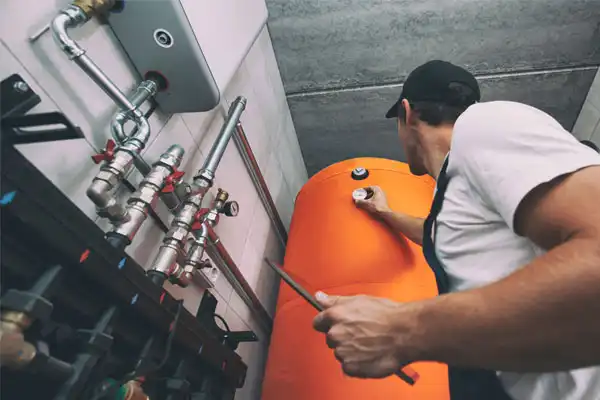
Rooter service is one of those plumbing terms people recognize without always knowing what it means. It sounds vaguely aggressive, like something involving a machine, a cable, and a plumber who has seen too much. Which is not wrong. But good rooter work is not just “shove a snake down the pipe and hope.” It is diagnosis, equipment choice, pipe judgment, and knowing when a sewer line needs cleaning, repair, or a very serious conversation.
Recurring clogs and sewer line problems often look simple from the surface. Water goes down slowly, then it does not. But underground, inside walls, or under a slab, the story may involve grease, roots, collapsed pipe, bellied sections, wipes, scale, offset joints, or a previous repair that was done with more optimism than skill. A proper rooter service separates nuisance clogs from warning signs before the house starts staging a plumbing rebellion.
What rooter service actually means
Rooter service began as a way to cut tree roots out of sewer lines, hence the name. Older clay and cast iron sewer pipes often developed tiny openings at joints or cracks. Tree roots, being nature’s unpaid demolition crew, found moisture and nutrients inside the line and pushed in. Once roots entered, they caught paper, waste, grease, and anything else floating by. Eventually, the sewer line slowed or stopped.
Modern rooter service still handles roots, but the term now covers a broad range of mechanical drain cleaning and sewer clearing work. A plumber may use a cable machine with cutting heads, a smaller drain snake for branch lines, a sewer camera, locating equipment, or hydrojetting equipment, depending on the problem.
Think of it this way. A plunger argues with a clog. A rooter machine negotiates with consequences.
The goal is not simply to poke a hole through the blockage. That can restore flow for a day or a week, but it leaves buildup around the pipe walls. The better goal is to open the line properly, identify why the clog happened, and make a plan if the problem is likely to return. This is especially true for main sewer clogs, because the main line serves the whole house. When that line backs up, the lowest drains in the home usually become unwilling participants.
The difference between a one-time clog and a recurring problem
Every home gets an occasional clog. A bathroom sink accumulates hair and soap scum. A kitchen line collects grease, starch, and coffee grounds, despite everyone insisting they “barely put anything down there.” A toilet may clog because someone used it like a filing cabinet for wet wipes.
A one-time clog usually affects one fixture. One sink drains slowly. One toilet misbehaves. One shower fills ankle-deep while the other fixtures behave normally. Those problems often sit in the trap, the fixture drain, or a nearby branch line.
Recurring clogs are different. They tend to follow a pattern. The same drain slows every few months. Multiple drains act up at the same time. A toilet bubbles when the washer drains. The floor drain burps. Water backs up into a shower when someone flushes. That is the plumbing system waving both arms.
A sewer line issue often announces itself through strange teamwork. The washing machine empties and the toilet gurgles. The upstairs shower runs and the downstairs tub coughs up water. That is because the main sewer line cannot carry wastewater away fast enough, so pressure and water search for somewhere else to go. Plumbing is not sentimental. It will choose the lowest opening and ruin your afternoon.
Why clogs keep coming back
The most common reason a clog returns is that the first clearing did not remove the cause. A small cable may punch through a grease clog, but the pipe can remain coated with sludge. The flow returns, everyone celebrates, and then debris starts sticking to the same narrowed section again. Two months later, the drain is slow, and the household begins accusing each other like a dinner theater mystery.
Grease is a major offender in kitchen lines. It rarely travels as far as people think. Hot grease may go down as liquid, but it cools and sticks to the pipe. Add dish soap, food particles, rice, pasta, and a few years of wishful thinking, and the inside of the drain becomes a biology project. Garbage disposals do not make food vanish. They make smaller food. The pipe still has to carry it.
Hair and soap create similar trouble in bathroom drains. Soap scum has a sticky quality, especially with hard water. Hair catches on pop-up assemblies, rough pipe interiors, and old fittings. Once the first little mat forms, it collects more. Eventually, you are standing in shower water deep enough to name.
In older sewer lines, tree roots remain a classic cause of recurring stoppages. A cable may cut roots back temporarily, but if the pipe still has openings, the roots return. Sometimes they return fast, especially during dry seasons when trees go hunting for water. Root intrusion can be managed for a while in some lines, but heavy intrusion usually means the pipe needs repair or replacement.
Pipe condition matters. Cast iron can develop internal scaling that narrows the diameter. Clay can crack or separate at joints. Orangeburg pipe, a bituminous fiber pipe used decades ago in some areas, can deform and collapse. PVC is smoother and more root-resistant than older materials, but poor installation can still cause bellies, sags, or bad pitch.
And then there are the “flushable” wipes. The quotation marks are doing important legal and emotional work. Many wipes technically go through the toilet, but that does not mean they move gracefully through a sewer system. They do not break down like toilet paper. In root-filled or rough pipes, they snag, gather friends, and form a blockage with the confidence of a nightclub bouncer.
Signs the main sewer line may be the culprit
A main sewer problem is more urgent than a single slow drain because it affects the whole plumbing system. It can also create sanitation hazards if wastewater backs into living spaces. The signs are not always subtle, but people often explain them away until the basement floor drain becomes a fountain of regret.
Watch for these clues:
- Multiple drains slow down or back up at the same time.
- Toilets gurgle when another fixture drains.
- Water appears in a tub, shower, or floor drain after laundry or toilet use.
- Sewage odors come from drains or around the yard.
- Wet, sunken, or unusually green patches appear over the sewer line path.
That last sign is not guaranteed, but it can happen when a sewer line leaks underground. Grass enjoying a sewage buffet may grow greener than surrounding areas. It is not a landscaping miracle. It is a problem wearing a lawn costume.
What happens during a professional rooter visit
A good plumber starts with questions, not machinery. Which fixtures are affected? How long has it been happening? Does it get worse after laundry? Has the line been cleaned before? Are there big trees near the sewer path? Did anyone recently remodel, install a new toilet, or discover a toddler with experimental flushing interests?
From there, the technician chooses an access point. For a main sewer line, that is often a cleanout outside the home or in a basement. If no cleanout exists, access may require pulling a toilet or opening another point. Cleanouts matter more than many homeowners realize. A proper exterior cleanout can save time, reduce mess, and make future service much easier.
The rooter machine uses a rotating cable fitted with a head designed for the blockage. Different heads cut roots, retrieve debris, break through soft clogs, or scrape pipe walls. Cable size matters. A small cable in a large sewer line may twist, tangle, or fail to clean effectively. A cable that is too aggressive for fragile pipe can cause damage. This is where experience beats enthusiasm.
Once flow is restored, the work should not automatically stop. If the clog is recurring, a sewer camera inspection is often the smartest next step. The camera shows whether the line has roots, cracks, offsets, sludge, standing water, collapsed sections, or foreign objects. It can also verify pipe material and depth. Camera inspection does not magically fix anything, but it ends a lot of guessing.
Some companies apply the cost of drain cleaning toward a camera inspection or repair. Others price them separately. Pricing depends on access, line length, severity, location, and equipment. Nobody reputable should promise a permanent fix over the phone without seeing the line, unless they also offer lottery numbers.
Cable rooter service versus hydrojetting
Cable machines and hydrojetting both clear drains, but they work differently. Cable rooter service uses mechanical cutting or boring action. Hydrojetting uses high-pressure water to scour the pipe interior. Both have a place. Neither is a magic wand, though hydrojetting does make a satisfying case for water having anger issues.
Cable service is often the right first response for many blockages. It can cut roots, open a line, and restore drainage quickly. It is usually effective for solid obstructions and root masses. It may not clean grease or sludge from the full pipe diameter as thoroughly as jetting, depending on the situation.
Hydrojetting excels when pipes are coated with grease, sludge, sand, or soft buildup. A jetter can wash debris downstream and leave the pipe much cleaner. Restaurants and busy kitchens rely on it for grease-heavy lines. Homeowners with chronic kitchen backups may benefit too, especially if a camera shows thick buildup rather than broken pipe.
The catch is pipe condition. Hydrojetting should be used with judgment. High pressure in a severely deteriorated line can expose weaknesses or worsen an already failing pipe. That does not mean jetting “breaks good pipes.” It means bad pipes need evaluation before someone sends high-pressure water through them like a tiny sewer car wash from the underworld.
The best approach often combines tools. Cable the line to restore flow, camera the line to see what is happening, then hydrojet if the pipe condition and clog type make it appropriate. If the camera reveals a collapsed sewer, jetting is not the hero. Excavation, pipe bursting, lining, or spot repair may be the actual answer.
When drain cleaning is enough
Sometimes rooter service solves the problem cleanly. If a guest flushed too much paper, a child sent a toy on an aquatic journey, or a single bathroom drain has a hair clog, mechanical drain cleaning may be all that is needed. The same goes for a kitchen drain that has accumulated normal buildup over several years.
In these cases, the pipe is structurally sound, the slope is acceptable, and the blockage is isolated. Once cleared properly, the drain returns to normal. The homeowner adjusts a habit or two, and peace returns. The plumber leaves, the sink behaves, and nobody has to say the phrase “sewer replacement” before lunch.
The key is frequency. A kitchen line that needs cleaning every five or six years may simply be living a normal kitchen life. A main sewer line that needs rooter service every three months is not normal. That is not maintenance. That is a subscription plan to misery.
When the sewer line needs more than cleaning
A camera inspection can reveal problems that cleaning will not cure. A belly in the line, for example, is a sag where water and solids collect. Because sewer lines rely on gravity, pitch matters. Wastewater needs enough slope to keep moving, but not so much that water outruns solids. When a section settles, debris sits in the low spot and clogs return.
Offset joints are another issue. One pipe section shifts away from the next, creating a lip that catches paper and waste. Roots can enter there too. Cables may pass through, and water may drain after cleaning, but the snag remains.
Cracks and holes invite roots and soil. A cracked pipe may function for a while, but recurring root intrusion usually gets worse. Soil can wash into the pipe, creating voids around it. In more serious cases, that can lead to settling or collapse.
A collapsed pipe is the plumbing version of “the road is closed.” No amount of drain cleaning makes a crushed line round again. At that point, repair options depend on depth, location, pipe material, access, and local code. Spot repairs may fix isolated damage. Pipe lining can rehabilitate certain lines without full excavation, if the pipe shape and condition allow it. Pipe bursting can replace some underground lines by pulling new pipe through the old path. Traditional excavation remains necessary in many cases, especially for severe collapses, improper slope, or sections that need regrading.
This is where a qualified Plumber earns the capital P, even if grammar does not require it. The cheapest immediate option can become expensive if it repeats forever. The priciest option can be overkill if a targeted repair would do. Good advice lives in the middle, where evidence, camera footage, and honest risk Drain cleaning assessment meet.
The septic system wrinkle
Homes on septic systems have their own set of rules. A sewer clog in a municipal system sends wastewater toward the city main. A septic system sends it to a tank and then to a drain field. If the tank is full, the outlet filter is clogged, or the drain field is saturated, symptoms can resemble a main line blockage.
Rooter service may clear the house line to the septic tank, but it will not fix a failed drain field or an overfull tank. Septic system service may be needed if sewage backs up during heavy water use, drains across the home slow down, or the yard around the tank or field becomes wet and smelly. Nobody wants to discover the difference between a line clog and a septic failure by stepping into it.
Septic-safe habits matter. Flushing wipes, feminine hygiene products, dental floss, cigarette butts, or “just this once” oddities can clog pipes and disturb the tank. Excessive grease can create scum problems. Too much water in a short period can overload the system. A septic system is less a trash can and more a slow, biological coworker. Treat it badly and it will file complaints underground.
The role of plumbing maintenance, and why it is not glamorous
Drain maintenance does not have the drama of emergency service. Nobody cheers when water simply goes where it should. But maintenance can prevent many clogs, especially in homes with older lines, large trees, heavy kitchen use, or a history of backups.
For homes with known root intrusion, periodic cleaning may be part of the plan until repair becomes practical. The interval varies. Some lines go a year or two between cleanings. Others clog every few months, which usually indicates the need for repair rather than endless maintenance. Root treatments may slow regrowth in some cases, but they do not rebuild cracked pipe or correct offsets.
Kitchen drains benefit from common sense. Wipe grease from pans before washing. Put food scraps in the trash or compost rather than trusting the disposal with everything. Run plenty of cold water when using the disposal. Avoid dumping pasta, rice, flour, and coffee grounds into the sink. These materials swell, clump, or settle. Pipes do not appreciate cuisine.
Bathroom drains benefit from hair catchers and periodic cleaning of stoppers. A five-dollar drain screen is less thrilling than a rooter machine, but it is also less expensive and does not require a stranger to discuss your shower habits.
What not to do when drains start acting possessed
The hardware store shelf offers bottles of chemical drain cleaner with labels that suggest they can dissolve anything short of a bad mortgage. Sometimes they open a slow drain. They can also damage finishes, generate heat, harm older pipes, and create hazards for the plumber who later has to open the line. If a drain is fully blocked, chemical cleaner may sit in the pipe and wait like a venomous soup.
Enzyme cleaners are gentler and may help with organic buildup over time, but they are not emergency uncloggers. They work slowly and depend on the type of material in the drain. They will not remove roots, fix bellies, or retrieve a toy dinosaur lodged in a toilet bend. Respect the limitations.
A homeowner-grade snake can help with shallow sink or tub clogs, but it can also scratch fixtures, get stuck, or push a blockage farther down. Toilet augers are designed for toilets. Sink snakes are not. Using the wrong tool can turn a clog into a plumbing rescue mission with extra embarrassment.
Avoid these common mistakes:
- Pouring chemical cleaner into a completely blocked drain.
- Repeatedly plunging after sewage has backed into a tub or shower.
- Removing cleanout caps without preparing for pressurized wastewater.
- Assuming a recurring clog is fixed because water drained once.
- Ignoring gurgling toilets after laundry or shower use.
That third one deserves special respect. A main sewer cleanout under pressure can release wastewater quickly. Opening it without caution is how people learn new vocabulary.
How plumbers diagnose without guessing
Experienced drain technicians read symptoms the way mechanics listen to engines. A single lavatory sink clog points one direction. Multiple first-floor fixtures backing up points another. A floor drain overflowing during laundry suggests a main restriction. Sewage odor outside near a cleanout may suggest a leak or blockage.
Still, symptoms only go so far. Camera inspection is the strongest diagnostic tool for recurring clogs. The camera head moves through the pipe and sends video back to a monitor. A locator can identify where underground problems sit and how deep they are. That matters because “somewhere in the yard” is not a repair plan. “Twelve feet from the foundation, about six feet deep, under the edge of the driveway” is much more useful, even if nobody loves hearing the word driveway.
Camera work also helps prevent unnecessary repairs. A line that looks good after cleaning may not need replacement. A pipe with one bad joint may need a spot repair. A line with multiple cracks, heavy roots, and poor slope may justify replacement. Seeing the pipe changes the conversation from opinion to evidence.
There is one caveat. A camera cannot see through standing sewage or heavy blockage. Sometimes the line must be cleared first. Also, camera interpretation takes skill. Water standing in a pipe might indicate a belly, but the severity depends on depth, length, and whether solids collect there. A small root strand is different from a dense root mass. A rough cast iron pipe is not automatically failed, but severe scaling can make recurring clogs likely.
Why access points matter more than homeowners expect
Cleanouts are the unsung heroes of sewer service. A cleanout is a capped access fitting that allows plumbers to enter the line with cleaning and inspection equipment. Older homes may have too few, poorly placed ones, or none at all. Sometimes they are buried under landscaping, hidden behind drywall, or concealed by a previous remodel that treated future service as someone else’s character-building exercise.
An accessible exterior cleanout can reduce labor and mess. It also allows cleaning toward the street or septic tank and, in some configurations, back toward the house. If a home has recurring main line issues and no proper cleanout, installing one may be a wise investment.
Cleanouts must be installed correctly, with proper fittings, location, and code compliance. A poorly installed cleanout can create its own restriction or leak. This is not a “close enough” fitting. Wastewater notices.
Cost, value, and the suspiciously cheap drain cleaning coupon
Drain cleaning prices vary by region, access, clog severity, equipment, and whether camera inspection is included. A simple fixture drain cleaning costs less than a difficult main sewer stoppage requiring roof access, toilet removal, or heavy equipment. Emergency calls after hours cost more because plumbers, despite rumors, do sleep occasionally.
Be cautious with extremely cheap advertised rooter service. Some deals are legitimate promotions. Others are designed to get a technician in the door, then the price grows legs. The issue is not that drain cleaning should cost a fortune. It should not. The issue is transparency. Ask what is included, what access points are covered, whether there are additional fees for difficult blockages, and whether camera inspection is available if the clog recurs.
A reputable plumbing company explains options without panic theater. If the technician says the line needs replacement, ask to see camera footage. Ask where the damage is, how deep it is, and what repair methods make sense. If the answer is vague, get another opinion.
For homeowners who prefer one company for multiple trades, firms such as Service Lion Plumbing Heating Air Electric can be useful because plumbing problems sometimes overlap with other systems. A sewage ejector pump may involve plumbing and electrical diagnosis. A mechanical room may contain a water heater, furnace, floor drain, gas line, and condensate drainage from air conditioning equipment, all packed together like a utility closet with commitment issues. Having a Plumber, Electrician, Heating contractor, or Air conditioning contractor under one roof can simplify scheduling when the problem refuses to stay in one lane.
When other home systems mimic drain trouble
Not every puddle is a sewer issue. Air conditioning maintenance calls often reveal clogged condensate drains, especially during humid weather. A central air system removes moisture from indoor air, and that water drains through a small line. If the condensate drain clogs, water may show up near the furnace or air handler. Homeowners sometimes suspect a plumbing leak repair issue when the culprit is the cooling system’s drain.
An Air conditioning repair service may clear the condensate line during an Air conditioning tune-up, while a plumber may handle larger drain connections or floor drain issues. The distinction matters. A clogged AC condensate line is usually not a sewer line problem, but if it discharges into a backed-up floor drain, the mess can involve both systems.
Water heaters can also confuse the picture. A leaking tank, temperature and pressure relief valve discharge, or failed drain pan line can create water near a floor drain. Water heater repair or water heater installation may be needed instead of drain cleaning. Likewise, water softener installation sometimes includes a discharge line that must be routed properly. If it drains into a restricted standpipe or floor drain, backups can occur during regeneration.
Gas installation service, furnace repair service, heat pump installation, and lighting contractor work may seem unrelated to rooter service, but in real mechanical spaces, trades cross paths. A basement with poor drainage can damage equipment. A floor drain that backs up near a furnace or electrical panel is more than unpleasant, it can be hazardous. Plumbing repiping can also change how fixtures drain if remodeling work is extensive, which is why permits and experienced trades matter.
A good technician keeps an open mind. The water on the floor might be sewage, condensate, a leaking water heater, a failed humidifier line, or a supply leak. Each has a different fix. Guess wrong and you own a wet floor with a receipt.
The special misery of basement backups
Basements are where sewer problems become memorable. Because they are low, basement floor drains, showers, and toilets are often the first places wastewater appears when the main line backs up. Finished basements raise the stakes. Carpet, drywall, trim, stored belongings, and furniture do not improve after meeting sewage.
If a basement backup occurs, stop using water immediately. Do not run sinks, showers, laundry, or dishwashers. Every gallon has to go somewhere, and if the sewer line is blocked, “somewhere” may be your floor. Keep people and pets away from contaminated water. If electrical devices or outlets are affected, avoid contact and call the appropriate professionals. Cleanup may require sanitation, drying, and material removal depending on severity.
Backwater valves can reduce the risk of municipal sewer backups entering the home, but they require proper installation and maintenance. They are not a cure for a clogged private sewer line between the home and the street. If the blockage is downstream of the valve, symptoms may vary. If the blockage is upstream inside the home’s plumbing, the valve will not save you. Plumbing has loopholes, unfortunately.
Roots, trees, and the underground buffet
Tree roots do not “break into” perfect pipes with superhero strength as often as people imagine. They usually exploit existing defects: loose joints, cracks, gaps, or porous older materials. Once inside, they thrive. Sewer lines offer moisture, nutrients, warmth, and darkness. For a root, that is basically a spa day.
Cutting roots restores flow, but it is temporary if the defect remains. The regrowth timeline varies. Some lines clog again in months. Others last a year or more after cleaning. Factors include tree species, pipe material, joint condition, soil moisture, and the size of the opening.
Removing the tree does not always solve the problem immediately. Roots can remain in the soil and decay slowly. Nearby trees may also find the same defect. The durable fix is usually pipe repair or replacement, not declaring war on every maple in the neighborhood.
Homeowners often ask whether copper sulfate or foaming root treatments help. In some cases, root control products may slow growth when used properly and legally, but they do not remove existing heavy masses as effectively as mechanical cleaning, and they do not repair the pipe. Local regulations may limit what can be used, especially near septic systems or waterways. This is a place for caution, not backyard chemistry.
What a fair rooter service report should tell you
After service, you should know more than “it drains now.” That phrase is pleasant but incomplete. A useful report explains where the blockage was accessed, what equipment was used, how far the cable or jetter traveled, what material came back, whether the line was camera inspected, and what condition the pipe appeared to be in.
If the technician found roots, ask how severe they were. If grease was the issue, ask whether hydrojetting would provide longer relief. If the line has a belly, ask where it is and how long it appears to be. If the pipe is broken, ask for video or images. Good documentation helps you plan, budget, and decide whether to seek another estimate.
For real estate transactions, this information becomes even more valuable. A sewer camera inspection before buying an older home can reveal expensive problems that standard home inspections may not catch. Sewer repairs can cost far more than cosmetic fixes, and underground pipes do not care how charming the kitchen backsplash is.
Practical habits that keep drains out of trouble
Most drain advice sounds like it was written by someone who has never hosted Thanksgiving. Real kitchens get busy. People rinse plates. Someone will put a questionable amount of potato peels down the disposal while maintaining eye contact with destiny. Still, small habits help.
Grease belongs in the trash, not the sink. Let it cool in a container, wipe pans before washing, and use strainers. In bathrooms, catch hair before it enters the drain. Flush only human waste and toilet paper. Space out heavy water use if the home has older drains or a septic system. Pay attention when drains change behavior, because plumbing problems rarely fix themselves out of shame.
If a drain slows once, clear it thoughtfully. If it slows repeatedly, investigate. Recurring clogs are not a personality trait. They are evidence.
The moment to call for rooter service
Call for professional rooter service when plunging fails, when more than one fixture is affected, when sewage backs up, when drains gurgle during unrelated water use, or when the same clog keeps returning. Also call if you suspect roots, if the home has older sewer piping, or if chemical cleaners have already joined the plot. The earlier a plumber can diagnose the problem, the better chance you have of avoiding damage.
Rooter service is part repair, part investigation. The machine clears the immediate obstruction, but the real value is learning whether the clog was a fluke or a symptom. A healthy drain system is quiet, boring, and easy to ignore. That is exactly what you want from pipes carrying wastewater through your home.
When they stop being boring, do not just keep poking holes in the same clog and calling it victory. Get the line opened properly. Get eyes on the pipe if the problem repeats. Choose cleaning, hydrojetting, repair, or replacement based on what is actually happening underground.
Your sewer line has one job. When it starts freelancing, rooter service brings it back to work.
Name: Service Lion Plumbing Heating Air Electric
Address: 521 W Briardale Ave, Orange, CA 92865, United States
Phone: (657) 337-3622
Website: https://callservicelion.com/
Email: [email protected]
Hours:
Monday: Open 24 hours
Tuesday: Open 24 hours
Wednesday: Open 24 hours
Thursday: Open 24 hours
Friday: Open 24 hours
Saturday: Open 24 hours
Sunday: Open 24 hours
Open-location code: R48R+WV Orange, California, USA
Map/listing URL:
https://www.google.com/maps/search/?api=1&query=Google&query_place_id=ChIJQU4LBWHV3IARtnABtyykSA4
Google Map:
Socials:
https://www.facebook.com/ServiceLionCA/
https://www.youtube.com/channel/UCR_L35QzsRTxYZtX8PxJvPw
Local Service Information
Service Lion Plumbing Heating Air Electric provides plumbing, drain, heating, air conditioning, and electrical services from its Orange, California location.The company serves homeowners and properties throughout Orange and communities across Orange County and surrounding areas.
Available services include plumbing repairs, water heater work, drain and sewer services, heating and cooling service, electrical repairs, panels, lighting, outlets, and related home-system work.
Service is available for residential properties as well as light commercial needs described within the company's local service-area information.
The company's website emphasizes locally operated service, coordinated home-system support, and practical scheduling for plumbing, HVAC, and electrical needs.
The matching public business listing shows the Orange location as open 24 hours a day, seven days a week.
For service information or scheduling, call (657) 337-3622 or visit https://callservicelion.com/.
The public map listing identifies the business at 521 W Briardale Ave, Orange, CA 92865 and can be used for location and direction information.
Popular Questions About Service Lion Plumbing Heating Air Electric
What services does Service Lion Plumbing Heating Air Electric provide?
The company provides plumbing, drain and sewer, heating, air conditioning, and electrical services. Its published services include plumbing repair, water heaters, drain clearing, sewer work, HVAC repair and installation, electrical repairs, panels, circuit breakers, lighting, outlets, and related services.
Where is Service Lion Plumbing Heating Air Electric located?
The matching business location is 521 W Briardale Ave, Orange, CA 92865, United States.
What areas does Service Lion Plumbing Heating Air Electric serve?
The company serves Orange County and surrounding communities. Its published service-area information includes Orange, Anaheim, Brea, Yorba Linda, Fullerton, Huntington Beach, Newport Beach, Costa Mesa, Irvine, Lake Forest, and additional nearby cities.
Is Service Lion Plumbing Heating Air Electric open 24 hours?
The matching public business listing shows the location as open 24 hours on Monday through Sunday.
Does Service Lion Plumbing Heating Air Electric work on drains and sewer lines?
Yes. Published services include drain clearing, rooter service, camera inspection, hydro jetting, sewer line repair and installation, water line work, slab leak detection, and trenchless sewer line repair.
Does Service Lion Plumbing Heating Air Electric provide heating and air conditioning service?
Yes. Its published HVAC services include air conditioning repair and installation, heating service, furnace work, heat pumps, air ducts, indoor air quality assessments, and thermostat installation.
Does Service Lion Plumbing Heating Air Electric provide electrical service?
Yes. Published electrical services include repairs and installations, electrical panels, circuit breakers, safety inspections, lighting, outlets and switches, surge protection, generators, and EV charging equipment installation.
How can I contact Service Lion Plumbing Heating Air Electric?
Call (657) 337-3622.
Email: [email protected]
Website: https://callservicelion.com/
Facebook: https://www.facebook.com/ServiceLionCA/
Landmarks Near Orange, California
Old Towne Orange Historic District
A central historic district and useful geographic reference point for the Orange community.
Plaza Park
A well-known public gathering point in the center of Old Towne Orange.
Orange Public Library & History Center
A civic landmark serving residents near central Orange.
Hart Park
A major public park and recreation area south of central Orange.
Eisenhower Park
A public park serving neighborhoods in northern Orange.
Santiago Oaks Regional Park
A regional recreation and open-space landmark on the eastern side of Orange.
Irvine Regional Park
A large regional park and recognizable reference point east of the city.
Orange Park Acres
A distinctive residential community and service-area reference point in eastern Orange.
El Modena
An established Orange neighborhood that provides a practical local coverage reference.
Glassell Street
One of the city's principal north-south streets and a useful route through central Orange.
Lincoln Avenue
A major east-west roadway serving northern Orange and nearby communities.
State Route 55
A primary regional freeway connecting Orange with other parts of Orange County.